PPC Advertising has become an important part of modern digital marketing because it allows businesses to reach potential customers at the exact moment they are searching for products or services. Unlike strategies that require time to build visibility, PPC Advertising can generate immediate exposure while helping businesses increase website traffic, attract qualified leads, and strengthen brand recognition. When combined with other marketing channels, paid advertising supports both short-term campaigns and long-term business growth.
Many business owners view paid advertising as simply a way to increase website visits. While driving traffic is certainly one benefit, a well-planned campaign also improves brand awareness, supports customer trust, and complements other digital marketing efforts such as search engine optimization, content marketing, and social media. Understanding how these strategies work together helps businesses make informed decisions about their marketing investments.
What is PPC advertising?
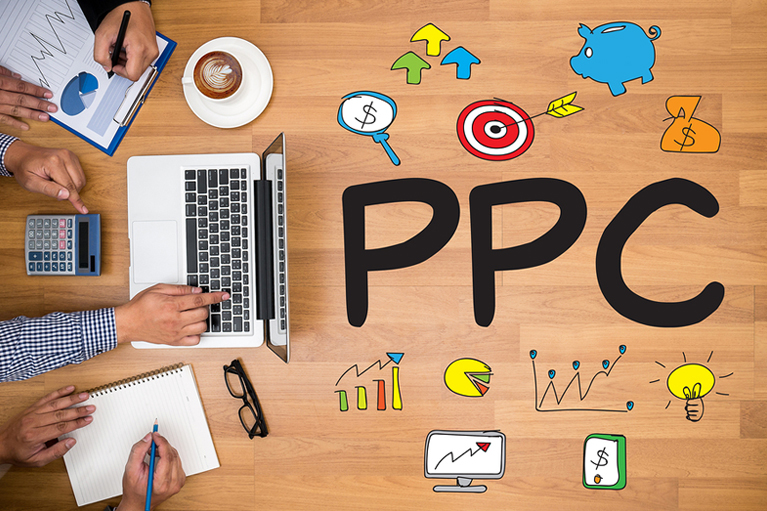
Pay per click advertising is a digital marketing model where businesses pay when someone clicks on their advertisement. Instead of waiting for organic rankings to improve, companies can display advertisements to people actively searching for relevant products or services.
Advertisements may appear on search engines, partner websites, video platforms, shopping results, and other digital channels. Because campaigns target specific audiences, businesses have greater control over who sees their advertisements, when they appear, and how much they spend.
Successful campaigns require more than selecting keywords. Audience targeting, landing page quality, budget management, and ongoing optimization all contribute to campaign performance.
Why brand awareness matters
Brand awareness refers to how familiar people are with a business and its products or services. Consumers often interact with multiple brands before making purchasing decisions. Repeated exposure helps businesses become more recognizable and memorable.
Even when users do not click an advertisement immediately, seeing a business appear consistently in search results can increase familiarity. Over time, this recognition may influence future purchasing decisions when customers are ready to take action.
Brand awareness also supports customer confidence because familiar businesses often appear more credible than companies consumers have never encountered.
How PPC supports business visibility
Paid search advertising allows businesses to appear in front of potential customers without waiting for long-term organic rankings to develop. This immediate visibility can be especially valuable when launching new products, entering competitive markets, or promoting seasonal services.
Campaigns can target users based on search intent, location, interests, devices, and demographics. Businesses looking for Mississauga SEO Services can also benefit from strategies that improve audience targeting and online visibility, helping them focus advertising budgets on users who are more likely to become customers.
Consistent visibility also increases opportunities for users to become familiar with a company’s products and services before making purchasing decisions.
The relationship between PPC and SEO
Search engine optimization and paid advertising are often viewed as separate strategies, but they work best when supporting one another.
SEO focuses on improving organic visibility through technical optimization, content development, and website improvements. PPC provides immediate exposure while those long-term efforts continue to develop.
Businesses using both approaches often gain greater visibility across search results by appearing in both paid and organic listings. This broader presence may increase credibility while providing multiple opportunities for customers to engage with the business.
Insights gathered from paid campaigns can also support SEO planning by identifying valuable keywords, understanding user behaviour, and evaluating landing page performance.
Benefits of a Google Ads strategy
A well-planned Google Ads strategy helps businesses control advertising budgets while reaching audiences with high purchase intent.
Important advantages include:
- Immediate visibility: Advertisements can begin appearing soon after campaigns launch, allowing businesses to attract visitors without waiting for long-term ranking improvements.
- Flexible audience targeting: Campaigns can target specific geographic areas, customer interests, devices, languages, and search behaviour to improve advertising relevance.
- Measurable performance: Businesses can monitor impressions, clicks, conversions, and other metrics to evaluate campaign effectiveness and guide future optimization.
How paid advertising generates leads
One of the primary goals of paid search advertising is lead generation. Campaigns direct users to carefully designed landing pages where visitors can request information, schedule consultations, make purchases, or contact the business. Integrating SEO Marketing Toronto strategies can further improve online visibility and help attract qualified visitors who are more likely to engage with the business.
Effective lead generation depends on more than advertisement quality. Landing pages should clearly explain services, answer customer questions, and provide simple ways for visitors to take the next step. A strong combination of paid advertising and SEO marketing can help businesses build a more effective digital presence.
Monitoring conversion rates helps businesses understand which campaigns are attracting the most valuable traffic and where improvements may be needed.
Supporting different stages of the customer journey
Not every customer is ready to make an immediate purchase. Some people begin by researching products, comparing options, or learning about available solutions.
Paid advertising allows businesses to create campaigns for different stages of this decision-making process. Educational content can support early research, while service pages and product offers help users who are ready to make purchasing decisions.
Providing relevant information at each stage helps businesses build stronger relationships with potential customers over time.
Integrating PPC into your marketing mix
Digital marketing performs best when multiple strategies support one another instead of operating independently.
- Use SEO to build long-term organic visibility.
- Launch PPC campaigns for immediate traffic and lead generation.
- Develop informative content that answers customer questions.
- Strengthen social media engagement to increase brand recognition.
- Measure results regularly and adjust marketing priorities.
Combining these activities creates a balanced approach that supports both immediate and future business growth.
The importance of landing page quality
A successful advertisement should direct visitors to a landing page that matches their expectations. If users click an advertisement but cannot easily find relevant information, they may leave without taking action.
Well-designed landing pages provide clear messaging, fast loading times, simple navigation, and straightforward calls to action. These elements improve user experience while supporting stronger conversion performance.
Landing page testing also allows businesses to identify which layouts, headlines, and content generate the best results.
Measuring campaign performance
Businesses should evaluate campaign performance using meaningful data rather than focusing solely on click volume. Reviewing an About Us section can also help customers understand a company’s expertise, values, and approach, which can support trust and credibility alongside marketing performance.
Important metrics include conversion rates, cost per conversion, click-through rates, quality scores, impression share, and return on advertising investment. These indicators provide insight into both campaign efficiency and overall marketing effectiveness.
Regular reporting allows businesses to identify trends, improve budget allocation, and refine targeting strategies based on actual performance.
Common PPC mistakes to avoid
Some businesses expect immediate sales simply because advertisements appear in search results. Successful campaigns require careful planning, testing, and ongoing optimization.
Another common mistake is targeting broad keywords without considering user intent. More specific keyword targeting often attracts visitors who are closer to making purchasing decisions.
Businesses should also avoid directing all traffic to a generic homepage. Dedicated landing pages generally provide better user experiences and stronger conversion opportunities.
Long-term value of paid advertising
Although PPC provides immediate visibility, its greatest value often comes from supporting broader marketing objectives over time. Campaign data helps businesses understand customer behaviour, refine messaging, identify valuable search terms, and improve future marketing decisions.
Paid advertising also supports product launches, seasonal promotions, local campaigns, and new market expansion while maintaining flexibility as business priorities change.
When combined with search engine optimization, content marketing, and website improvements, PPC contributes to a more balanced digital marketing strategy.
Choosing the right advertising approach
Every business has different marketing goals, budgets, and customer audiences. Campaign structure should reflect these unique factors rather than following a one-size-fits-all approach.
Businesses should consider their target audience, geographic market, competition, available budget, and desired outcomes before launching campaigns. Regular monitoring and continuous optimization help ensure advertising remains aligned with changing business objectives.
Educational resources covering keyword research, landing page optimization, search engine optimization, conversion tracking, and campaign reporting can also help businesses better understand how paid advertising fits within their overall marketing strategy.
WebHill – Web Design & SEO Company provides informational resources on digital marketing, search engine optimization, website development, and online advertising to help businesses understand how different marketing channels work together to support sustainable online growth.
Frequently Asked Questions
1. What is PPC advertising?
PPC advertising is a digital marketing model where businesses pay when users click on their online advertisements, helping generate targeted website traffic.
2. How does PPC support SEO?
PPC provides immediate visibility while SEO builds long-term organic rankings. Together, they improve search presence and provide valuable marketing insights.
3. Can PPC help build brand awareness?
Yes. Even when users do not click advertisements, repeated exposure in search results can increase brand recognition and familiarity over time.
4. How do businesses measure PPC success?
Common performance metrics include click-through rate, conversion rate, cost per conversion, quality score, impressions, and overall return on advertising investment.
5. Is PPC suitable for small businesses?
Yes. PPC allows businesses of different sizes to control budgets, target specific audiences, and generate measurable traffic based on their marketing objectives.